Parent guides
Notes for parents raising capable kids.
Plain-language explanations of Montessori practice, development, school choice, and what families can try at home. Every seeded guide needs named educator review before production.
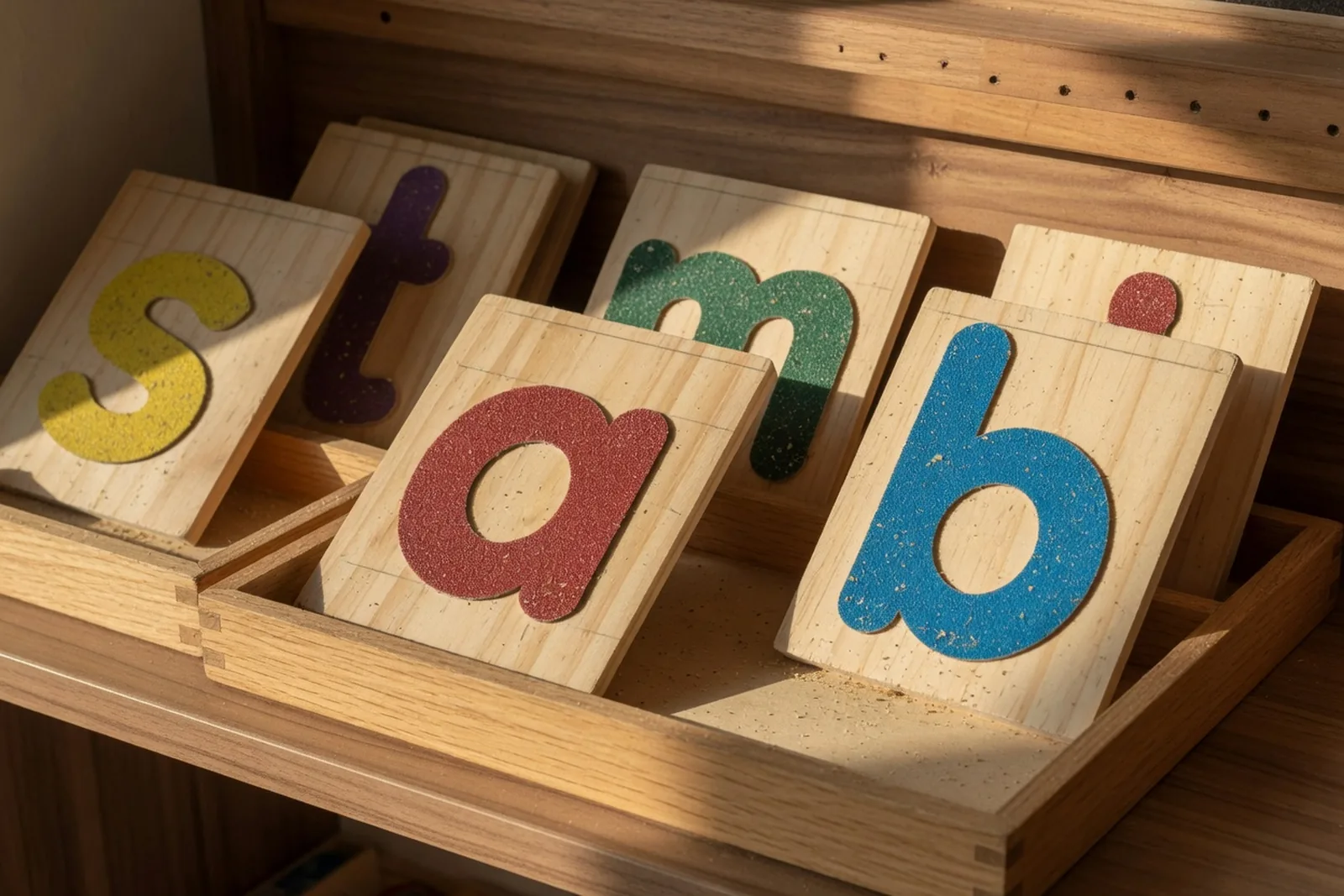
These concept articles were seeded from an existing MSOFx draft library. Dates, authorship, claims, and links require educator review before production publication.
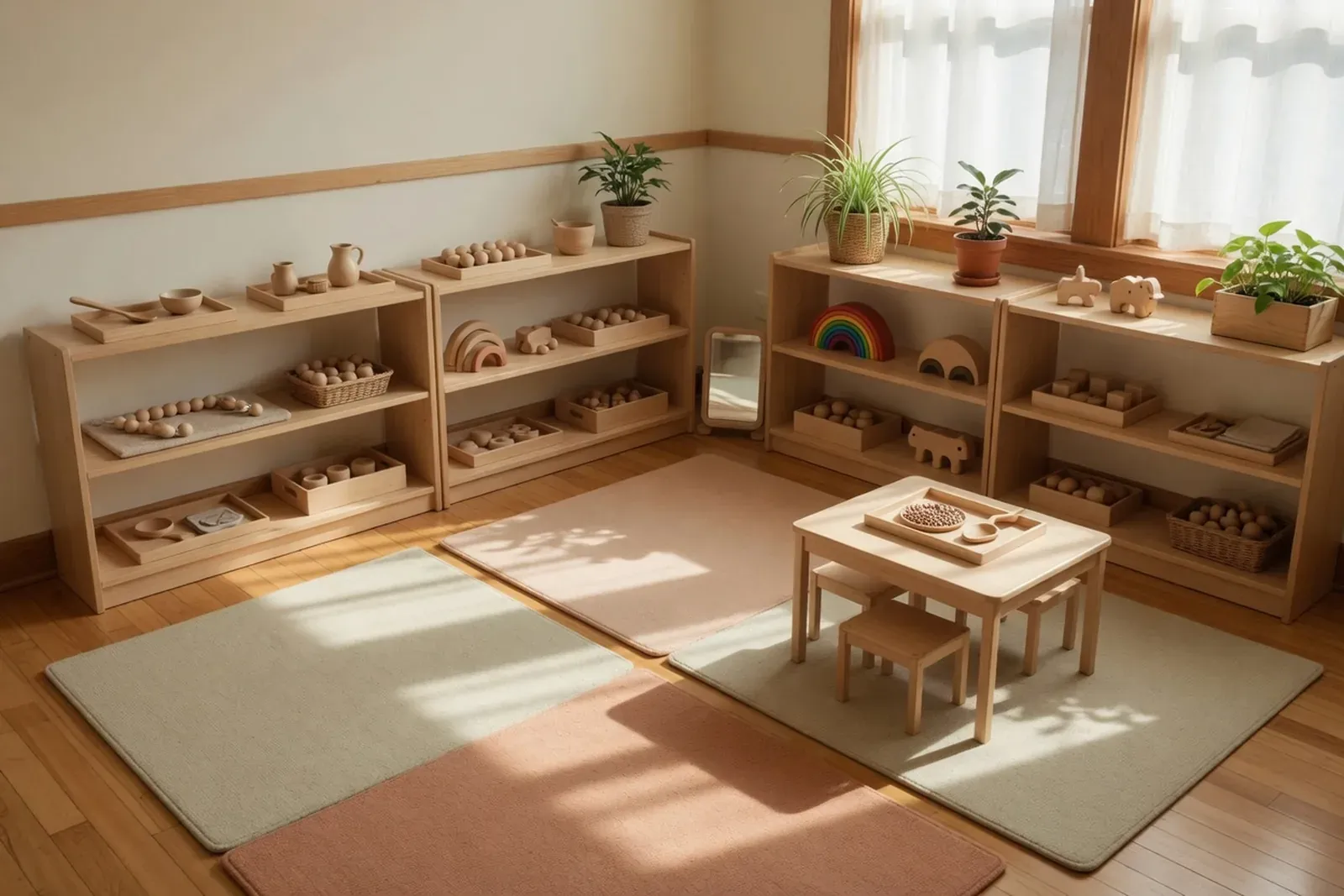
Signs Your Toddler Is Ready for School
Readiness is less about a checklist than a child beginning to say, in small ways, ‘I can try that.’
Read the guide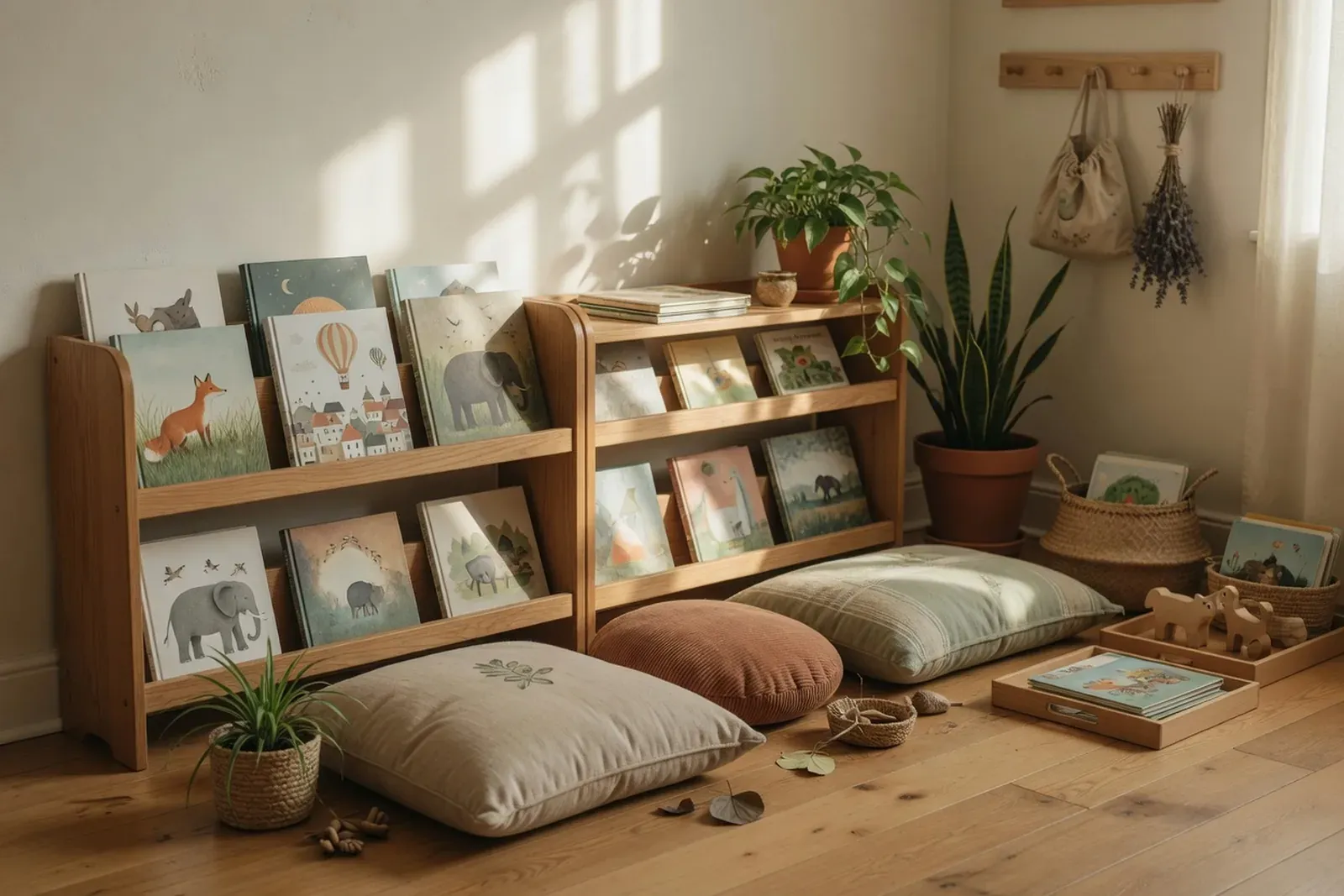
Montessori at Home: Room by Room
Small changes to the rooms you already use can give your child more real ways to belong.
Read the guide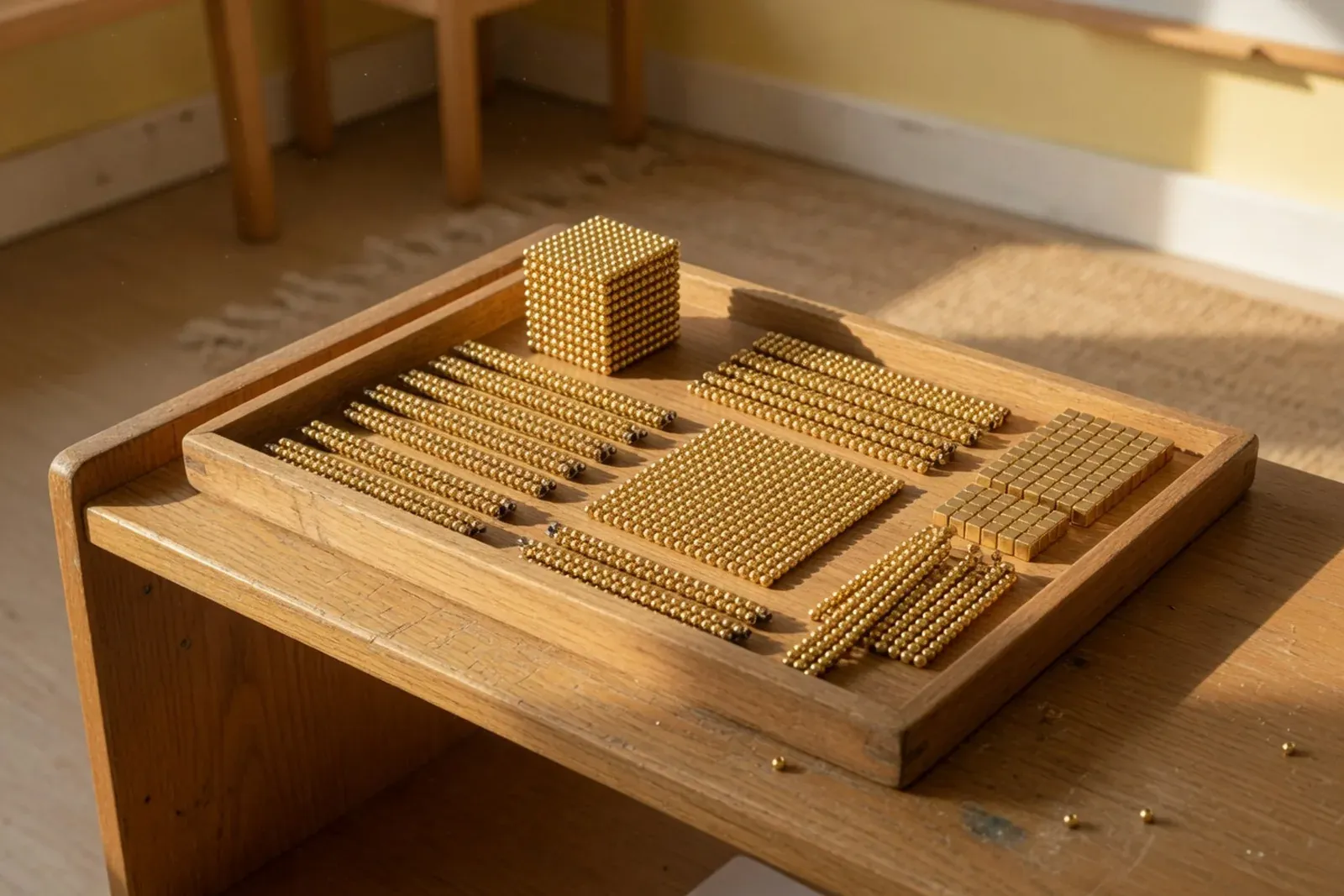
Montessori Math: From Golden Beads to Abstraction
Math makes more sense when a child can hold the idea before being asked to write it.
Read the guide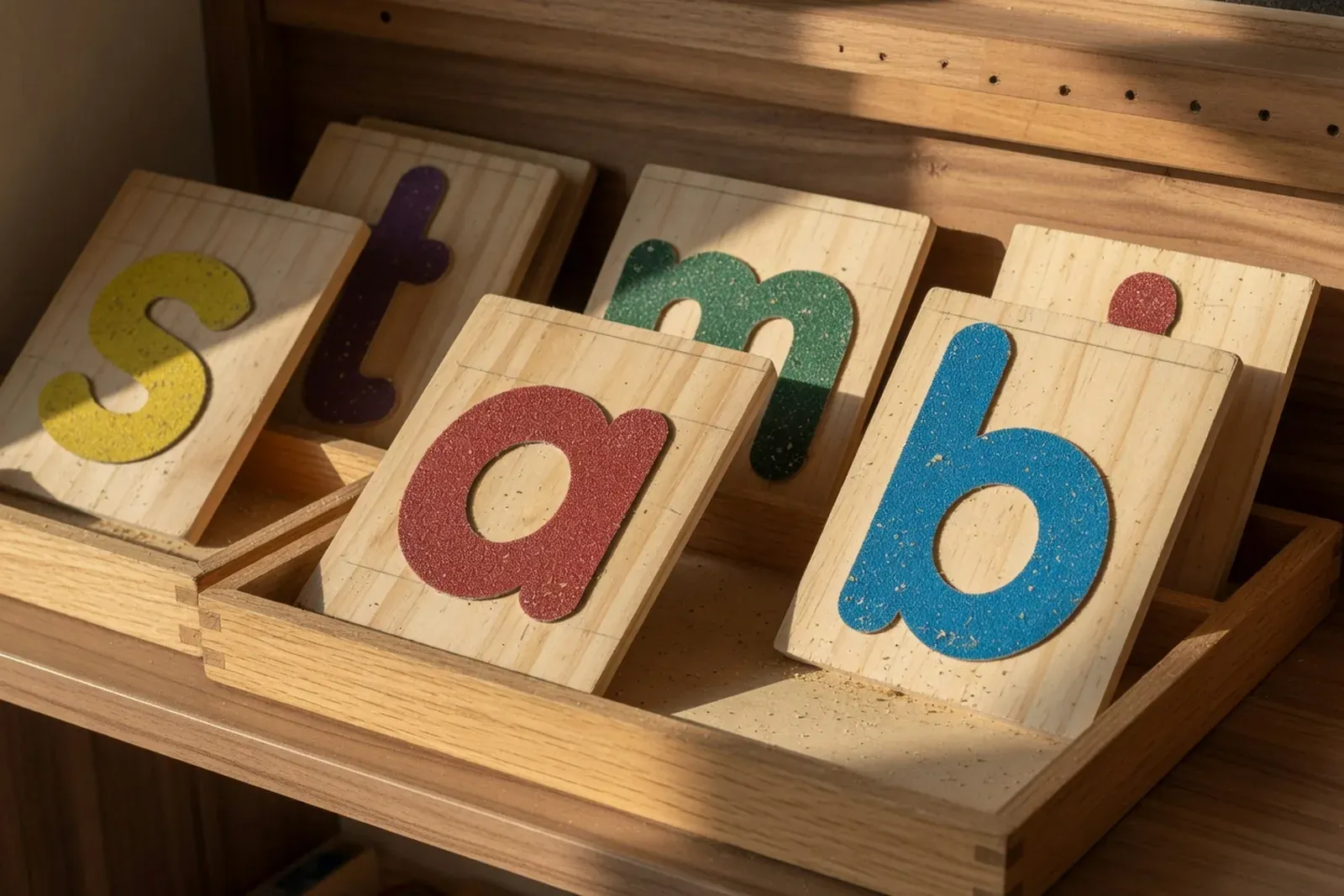
How Children Learn to Read in Montessori
Reading begins long before a child opens a book. In Montessori, children build the sounds, movements, and confidence that make print meaningful.
Read the guide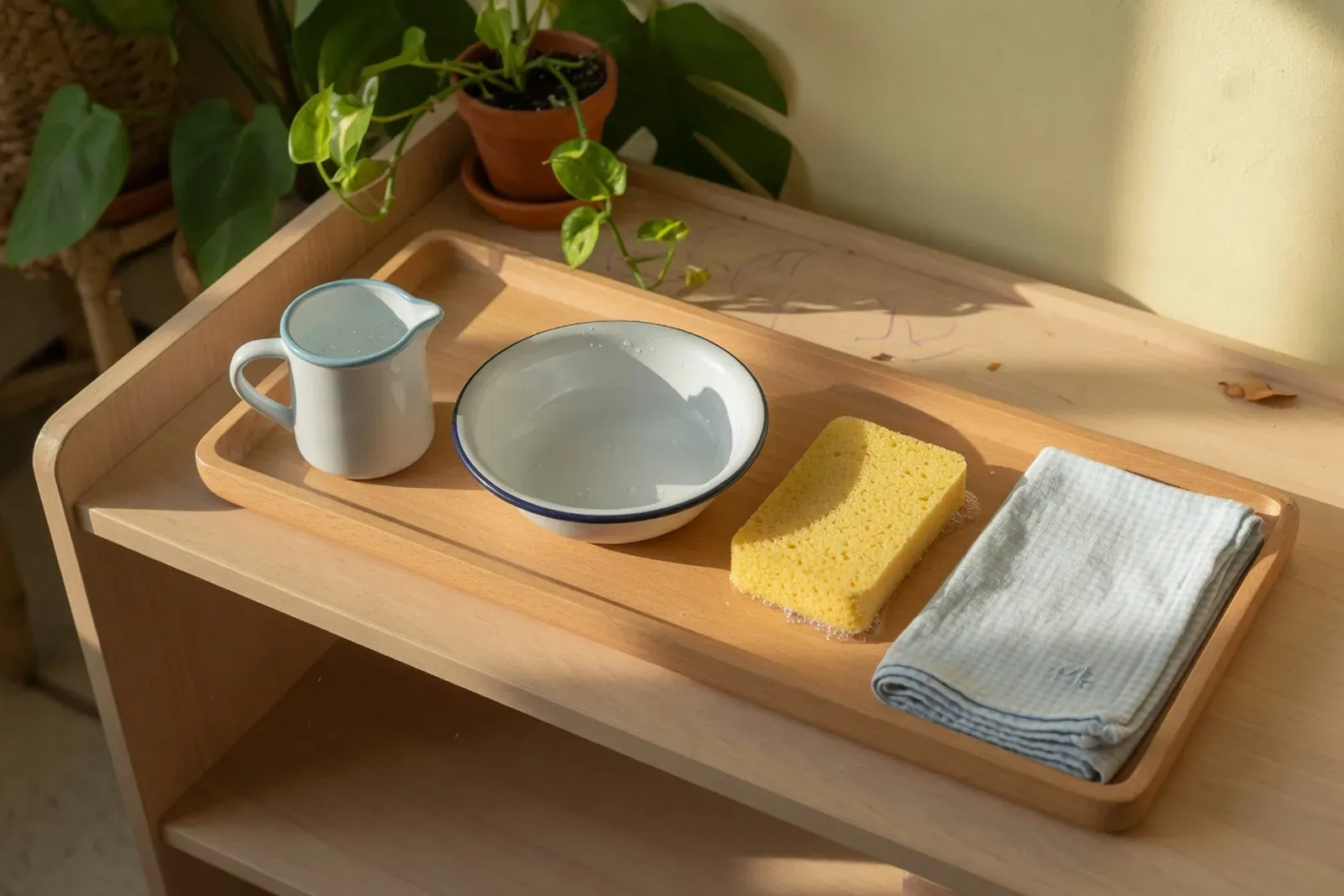
Practical Life Skills by Age: 18 Months to 12 Years
The small jobs children can do today become the confidence, focus, and responsibility they carry into tomorrow.
Read the guide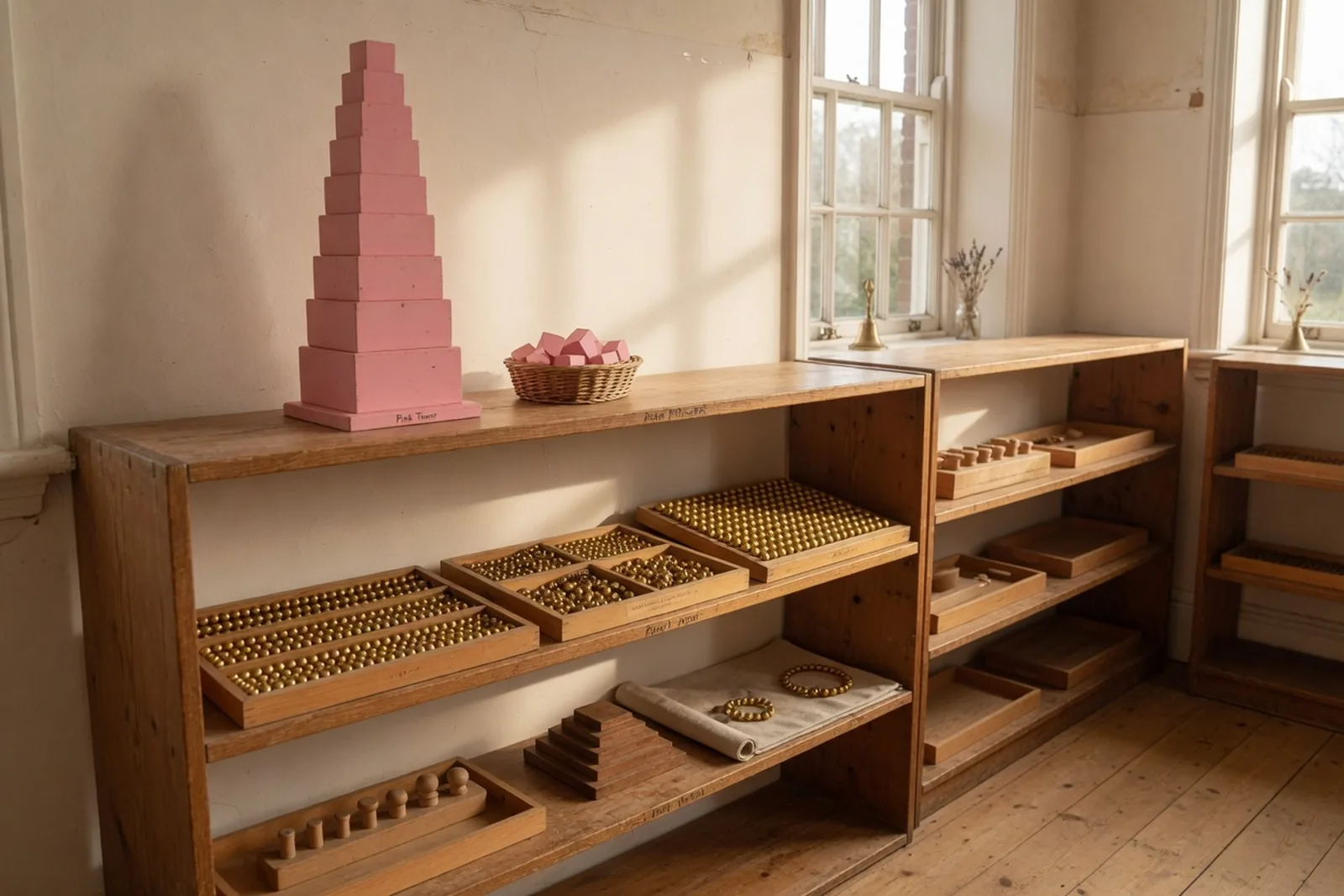
The Famous Montessori Alumni List, Fact-Checked
A fact-checked look at well-known Montessori alumni, what their stories can and cannot tell Chantilly parents about the method.
Read the guide
Screen Time and the Montessori Home
Practical, non-judgmental ways Chantilly families can make room for hands-on play, connection, and healthy screen habits at home.
Read the guide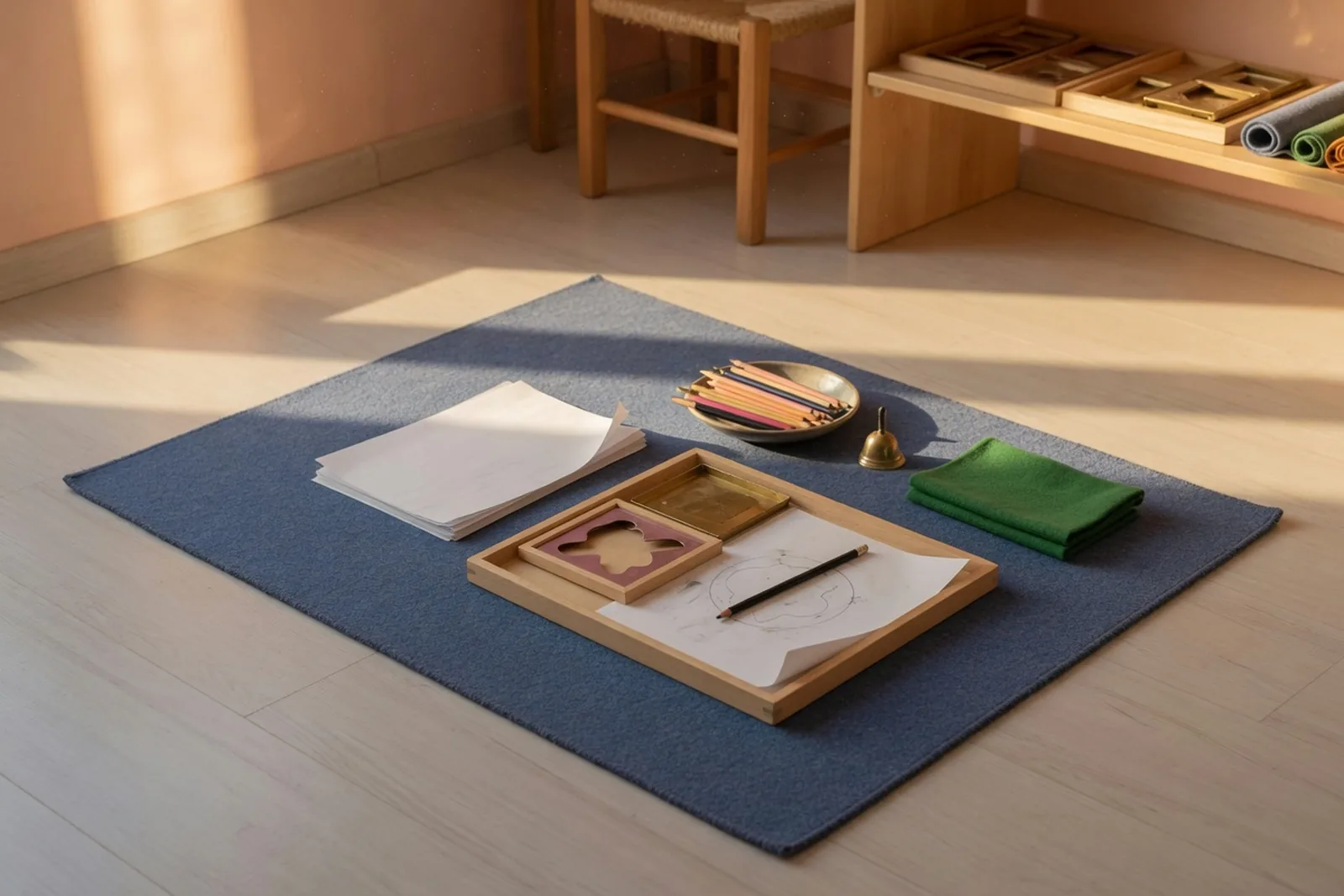
Montessori for Strong-Willed Kids
A strong will is not a problem to solve. With clear limits and real responsibility, it can become a child's working strength.
Read the guide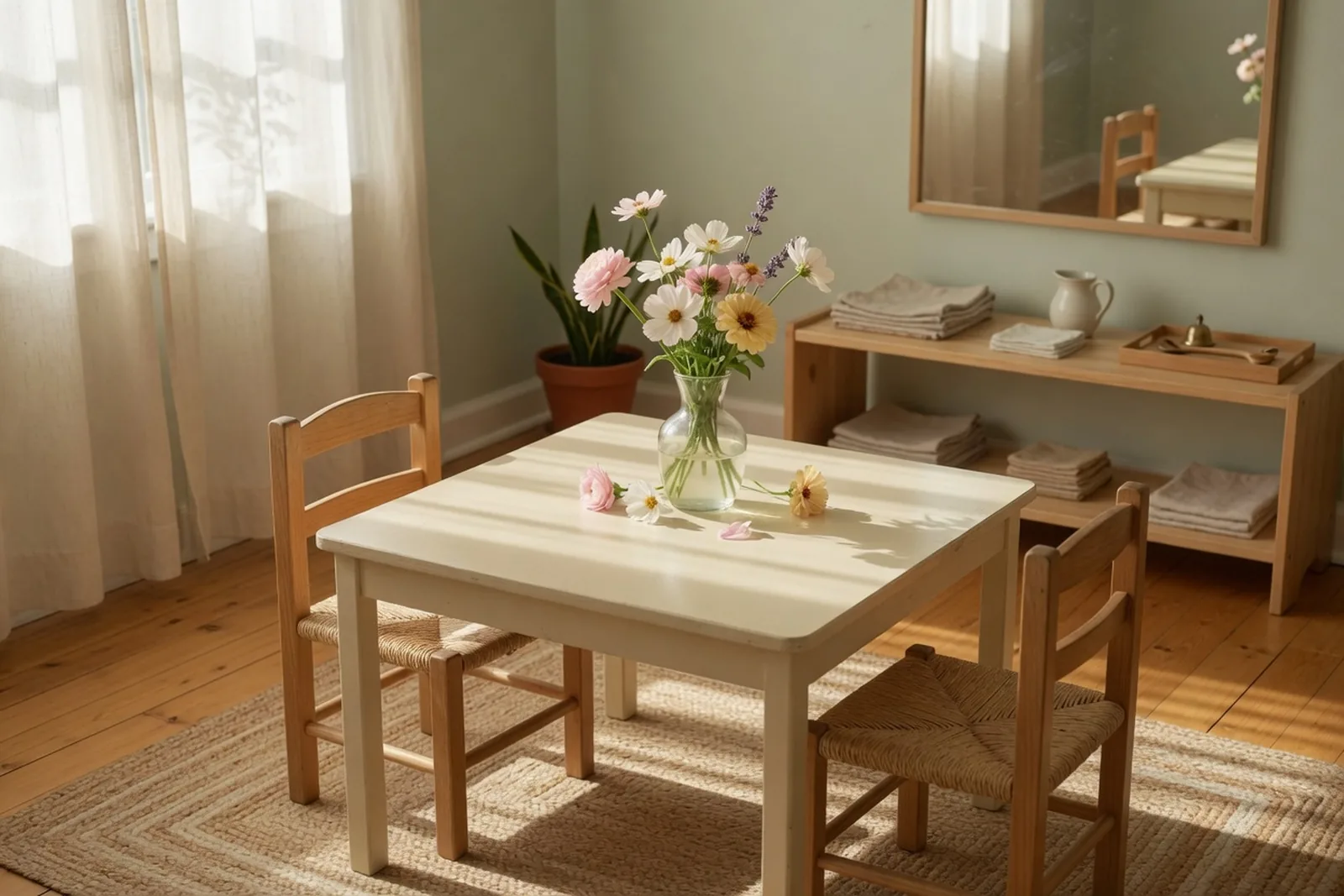
How Montessori Handles Discipline
Montessori discipline is not permissive. It is a steady way to help children practice the skills that make freedom possible.
Read the guide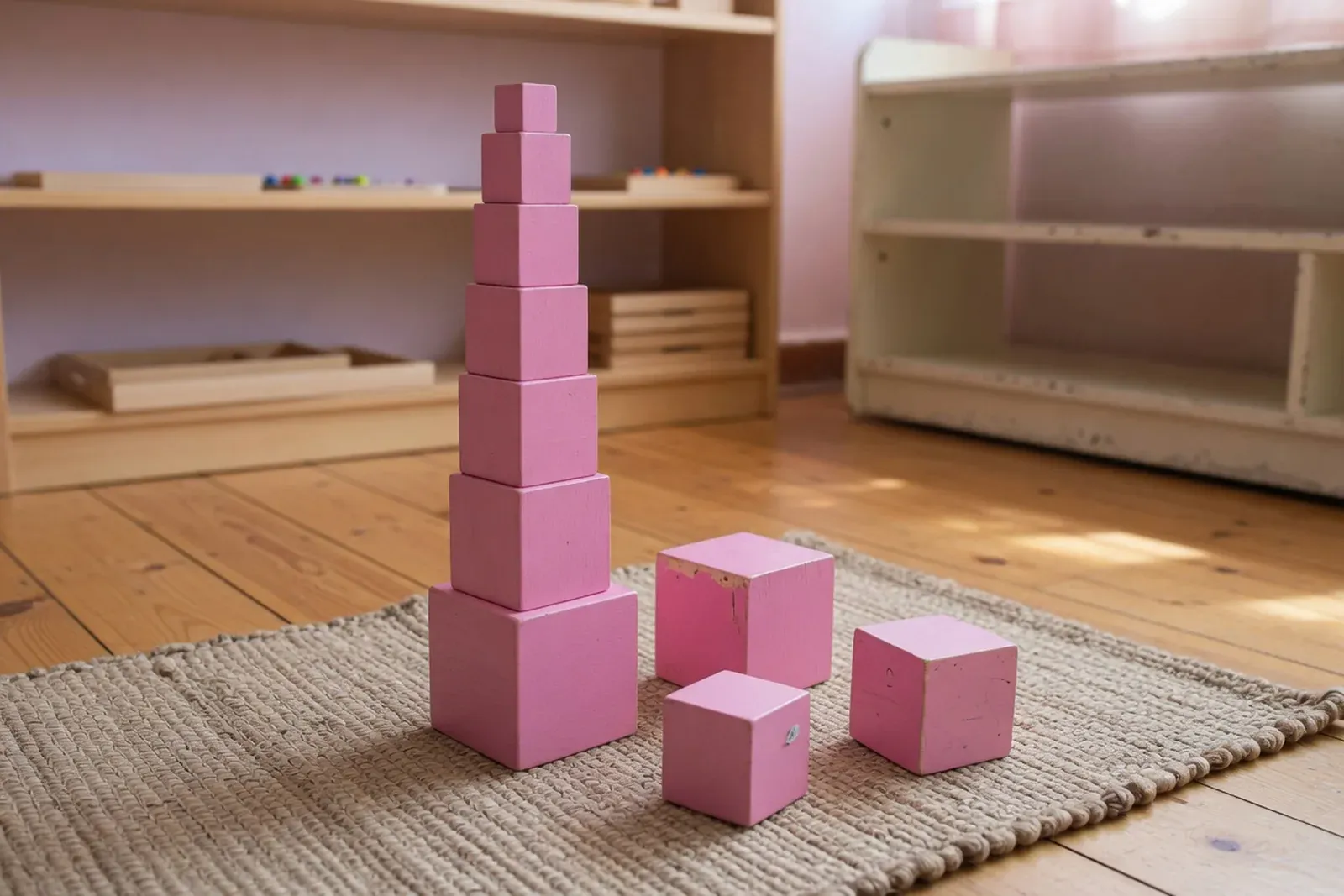
Real vs. Fake Montessori: 8 Questions to Ask
A Montessori sign tells you very little. These questions help you find out what actually happens after the classroom door closes.
Read the guide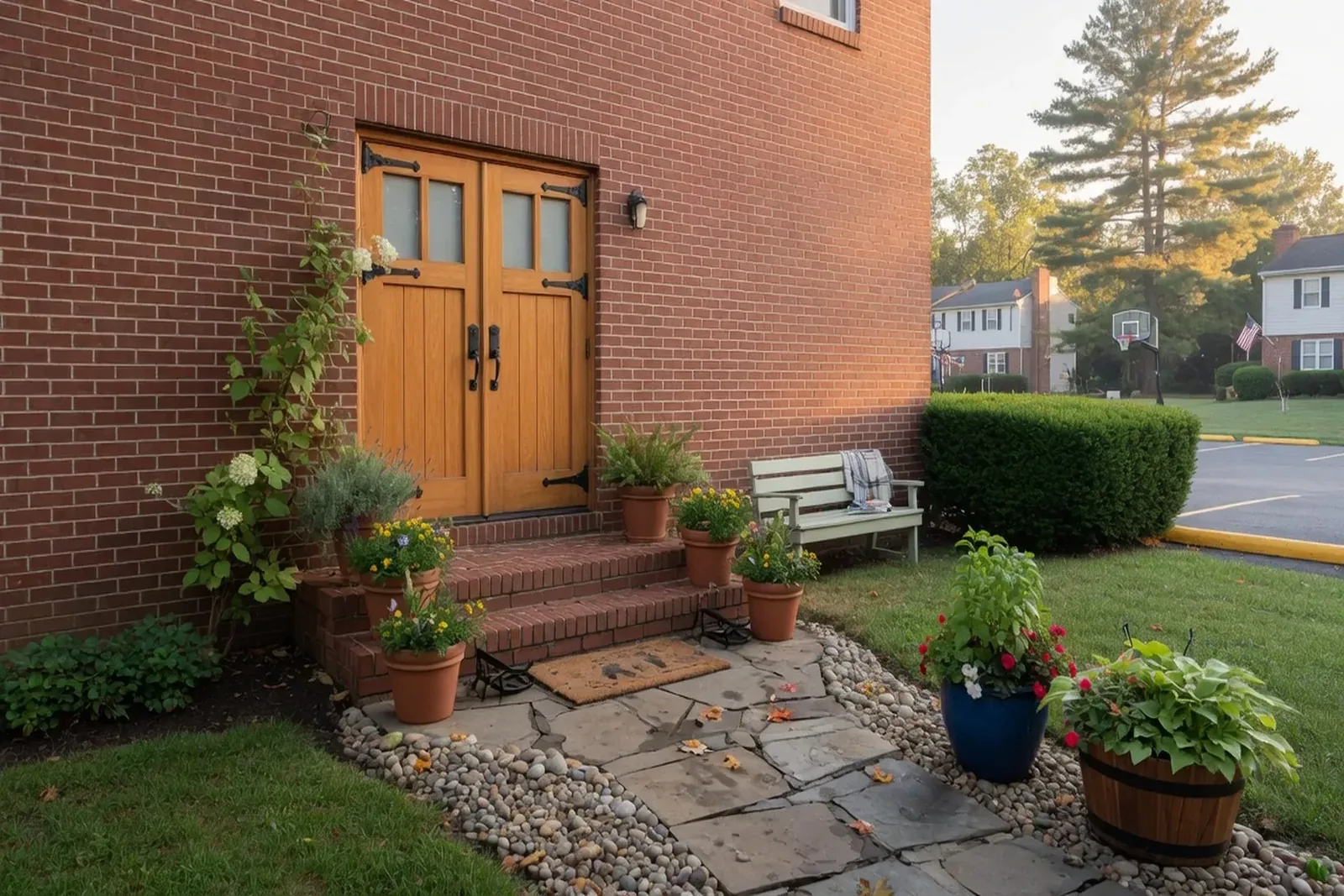
Touring a Montessori School: A 15-Point Checklist
A beautiful classroom can make a strong first impression. This checklist helps you look past the polish and notice how a school treats children every day.
Read the guide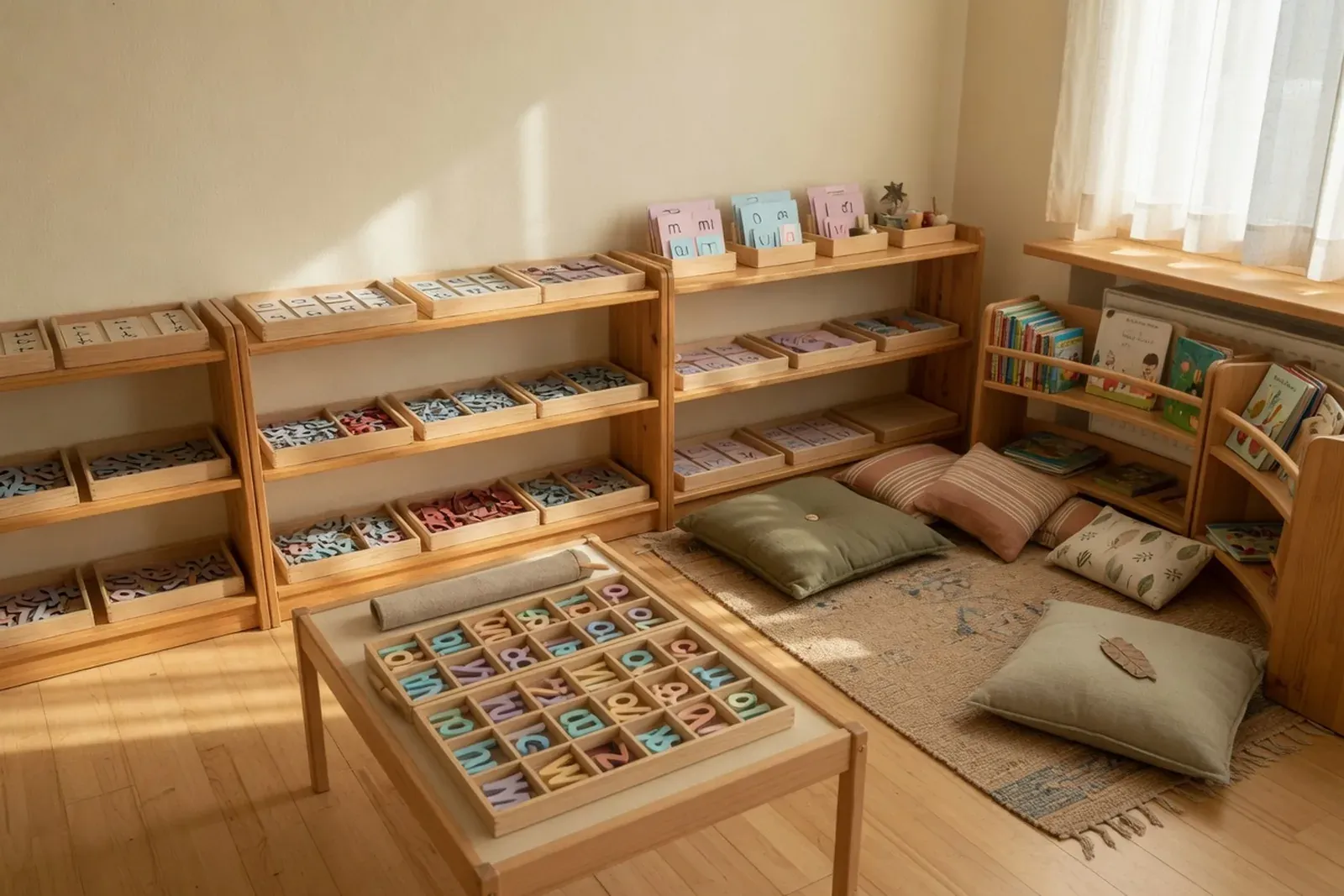
Montessori and Kindergarten Readiness
Kindergarten readiness is less about finishing a worksheet and more about having the tools to join a community, solve a problem, and begin again.
Read the guide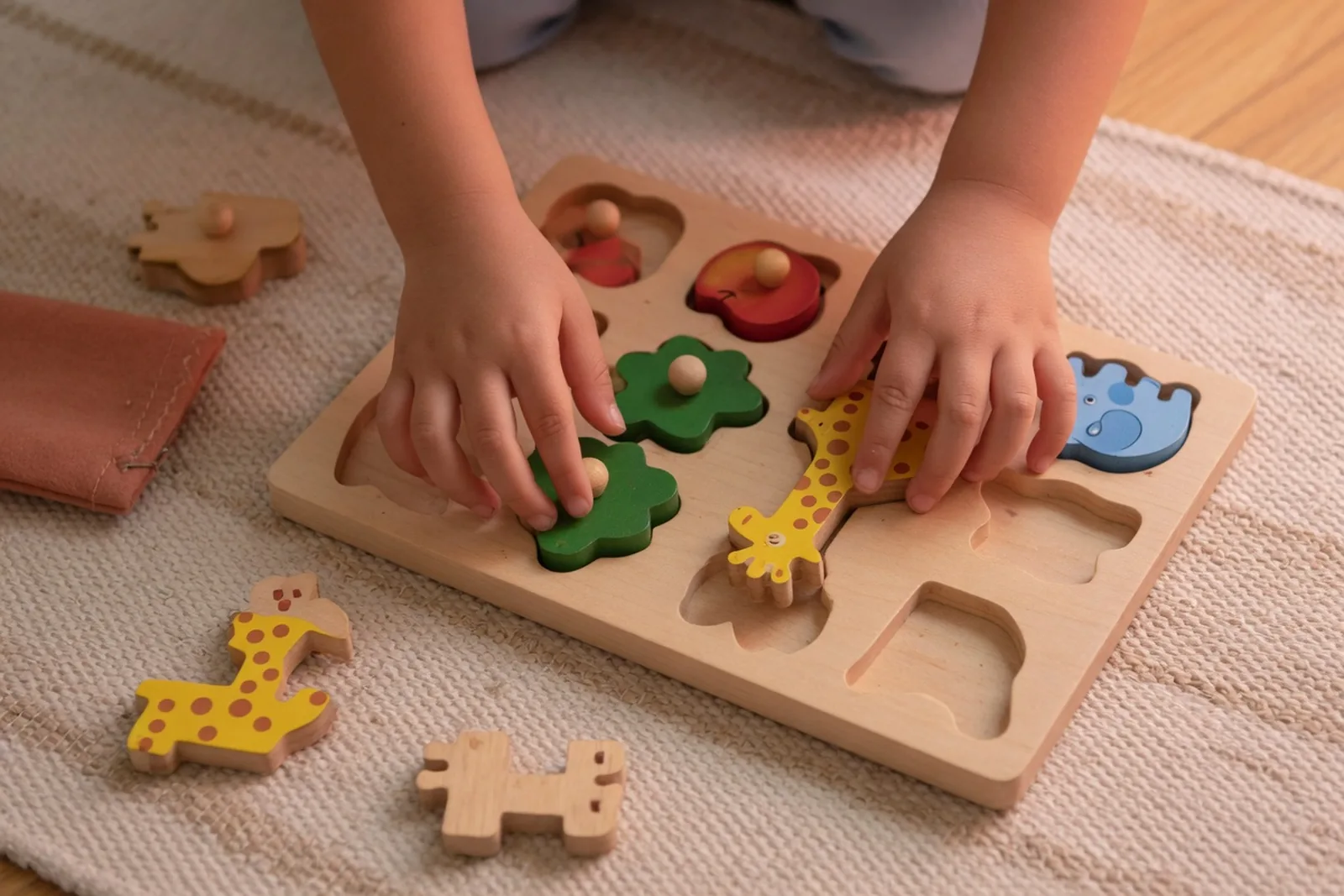
How Montessori Builds Executive Function
The skills behind a child who can begin, persist, adapt, and finish are built through ordinary moments of meaningful work.
Read the guide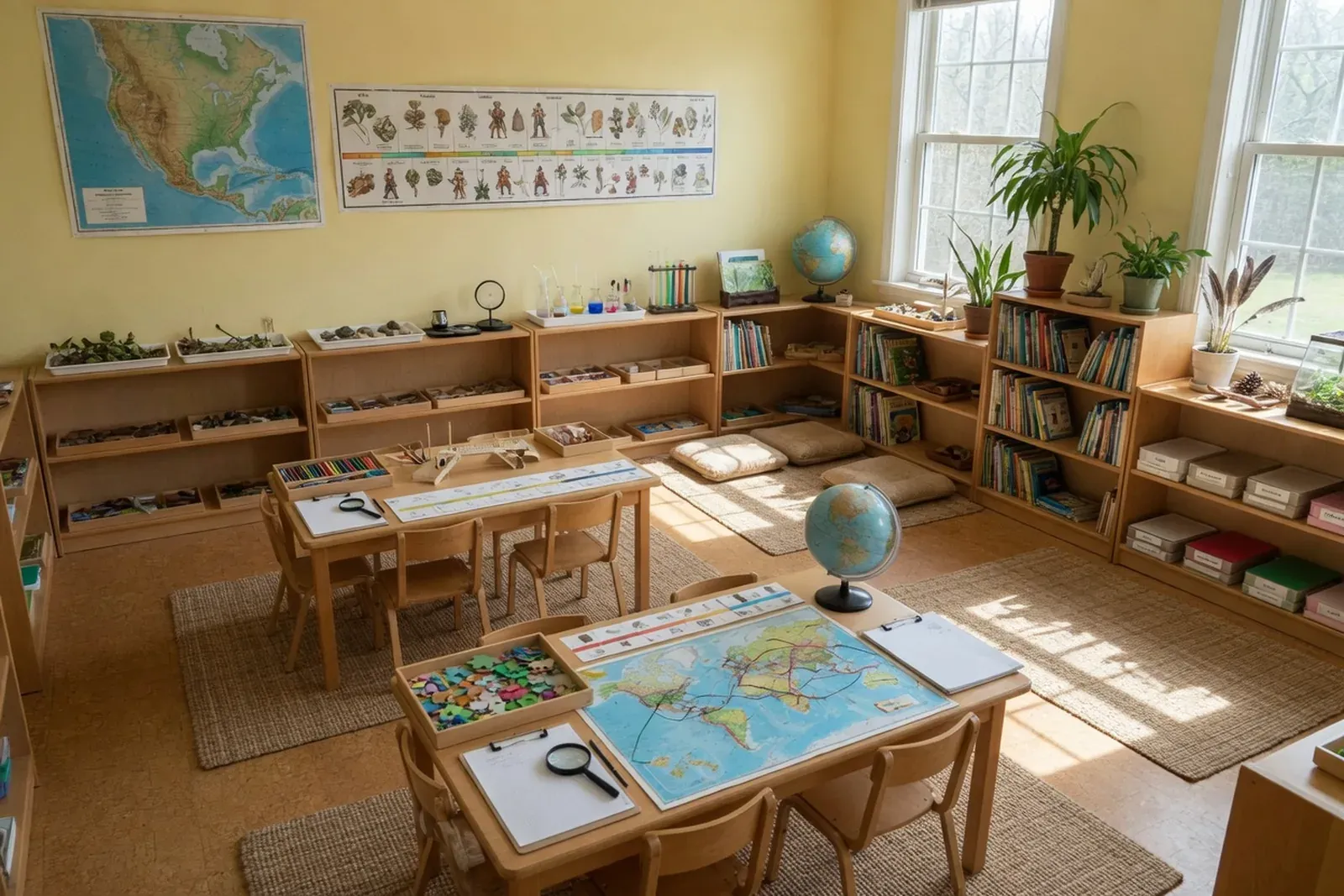
Why Mixed-Age Classrooms Work
A closer look at the classroom structure that gives children room to lead, learn, and belong.
Read the guide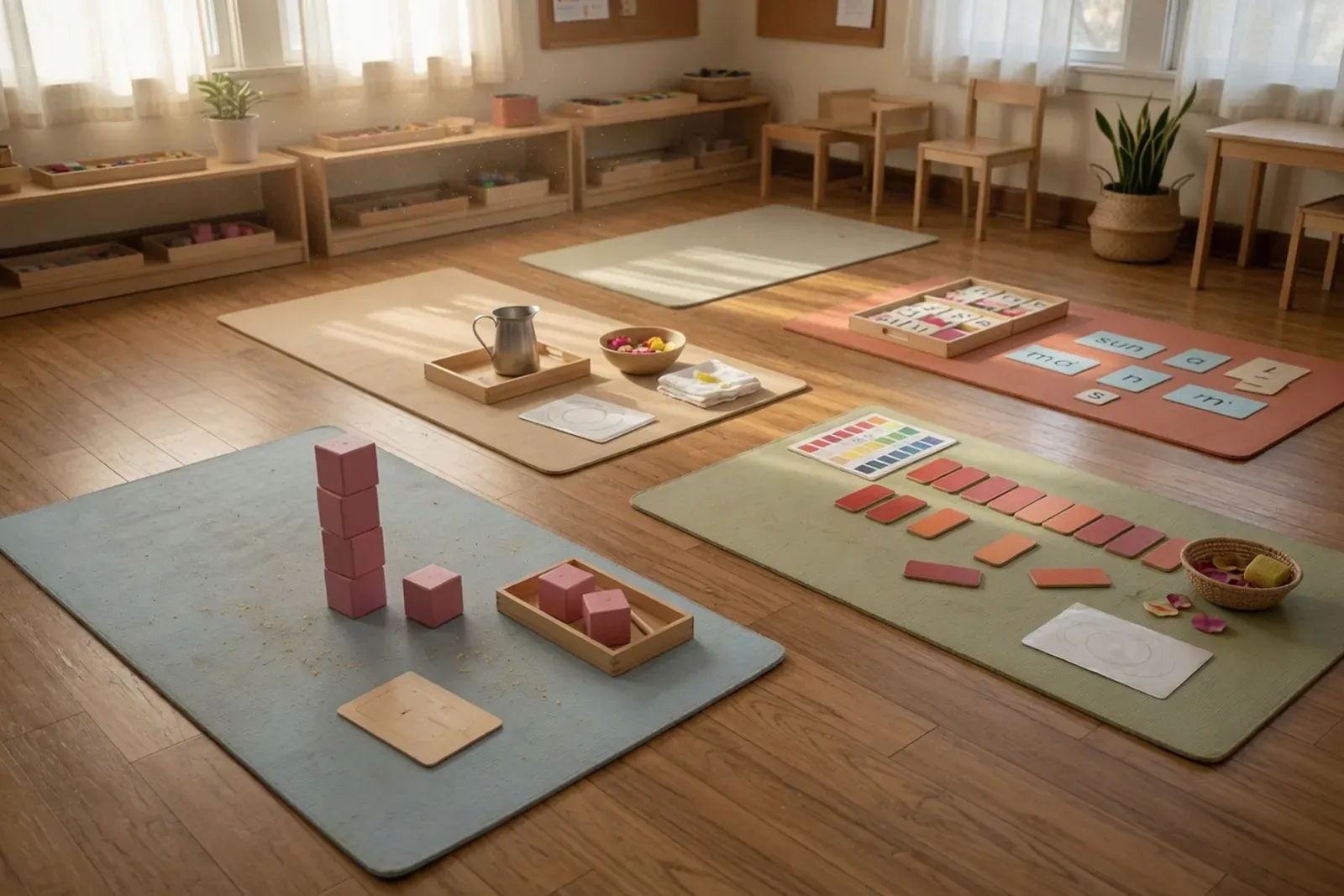
The Three-Hour Work Cycle, Explained
A long, uninterrupted morning can look simple from the doorway. It is one of the most deliberate parts of a Montessori classroom.
Read the guide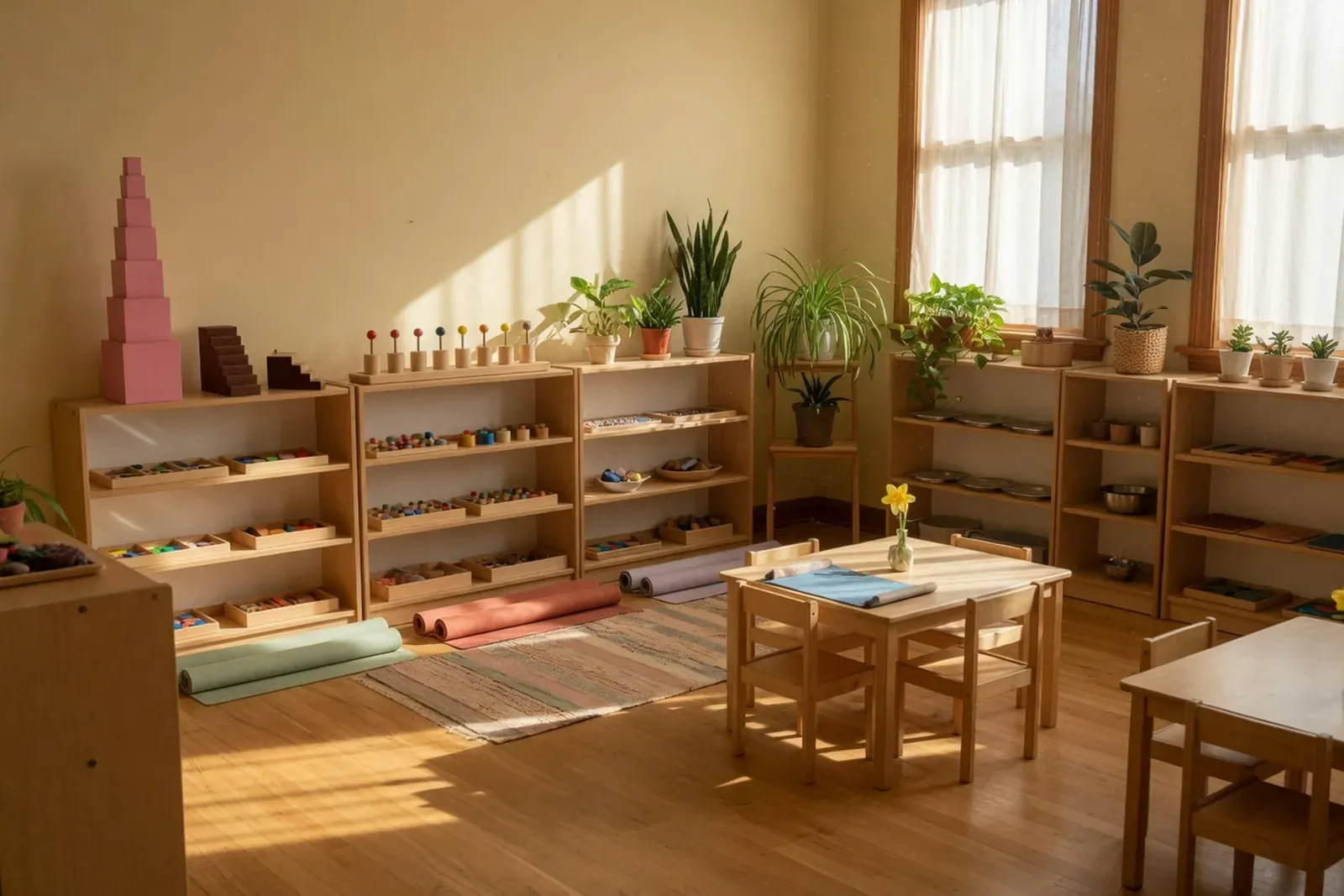
What Is the Montessori Method? A Plain-English Guide
A practical look at how Montessori classrooms work, why children choose purposeful work, and what the adults are doing while the room hums.
Read the guide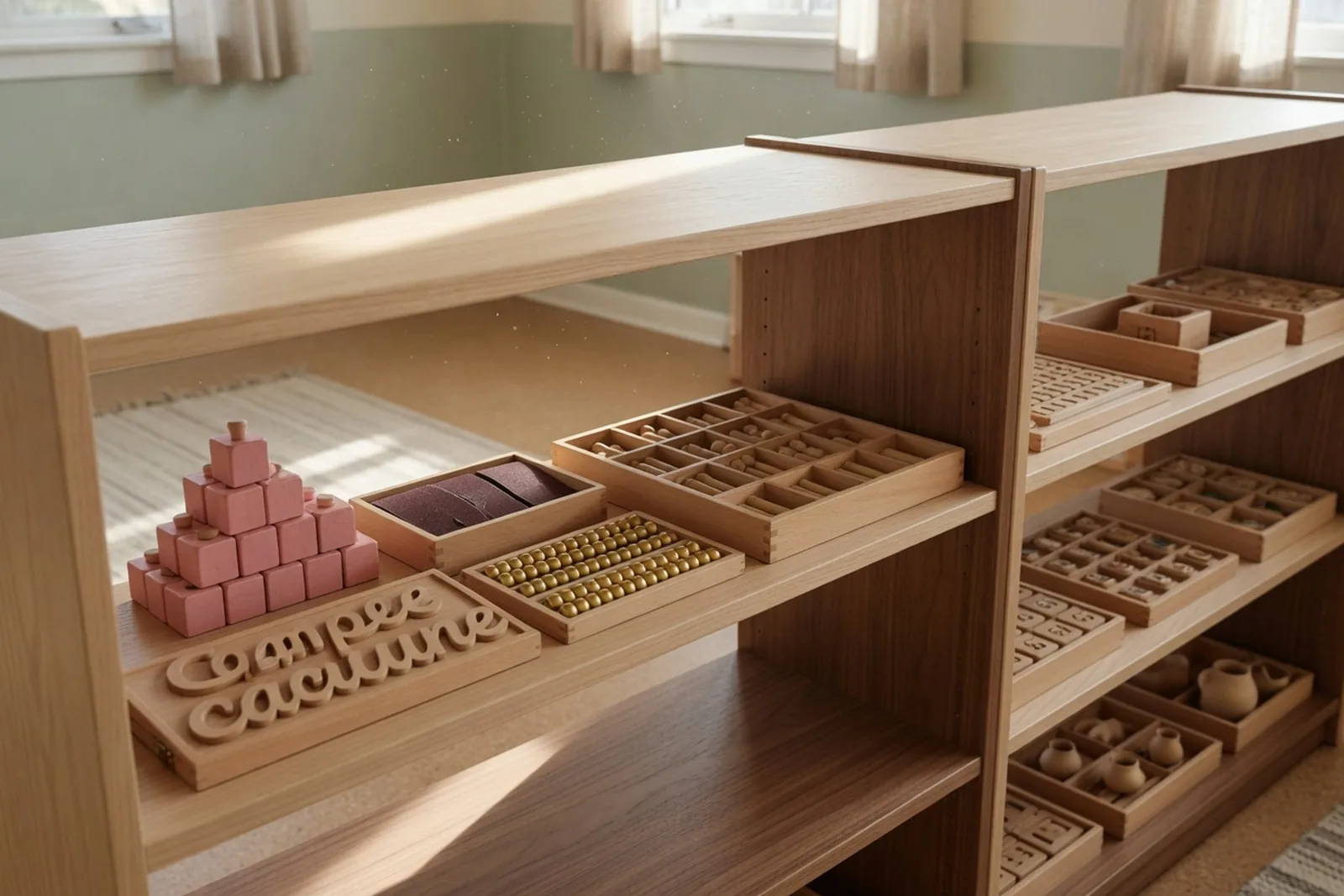
Is Montessori Worth the Cost? An Honest Look
Montessori can be a meaningful investment, but the name alone does not make a school worth its tuition. Here is how to judge the value for your child and family.
Read the guide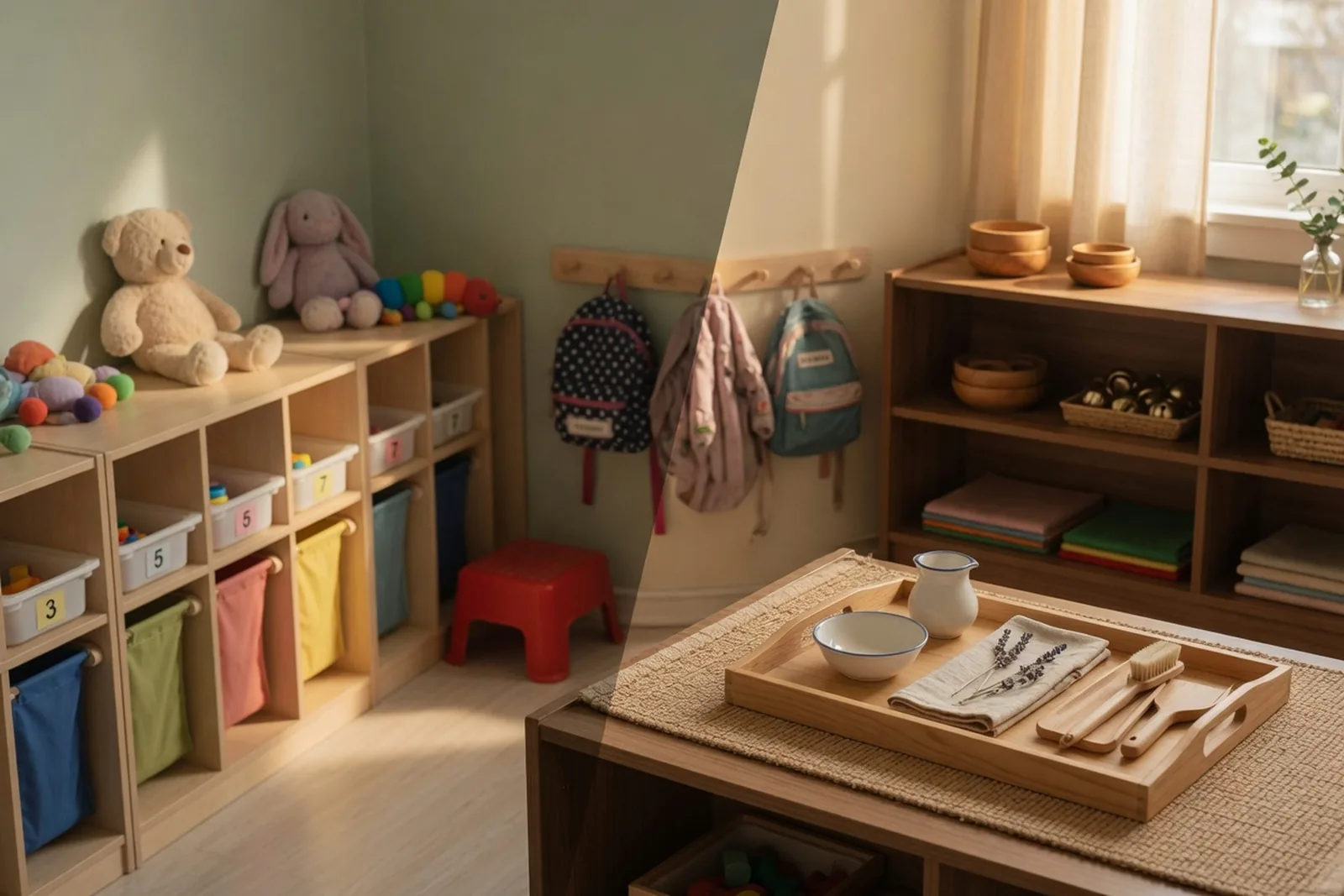
Montessori vs. Daycare in Fairfax County
The right question is not which label sounds better. It is what kind of day, relationship, and support will help your child and your family thrive.
Read the guide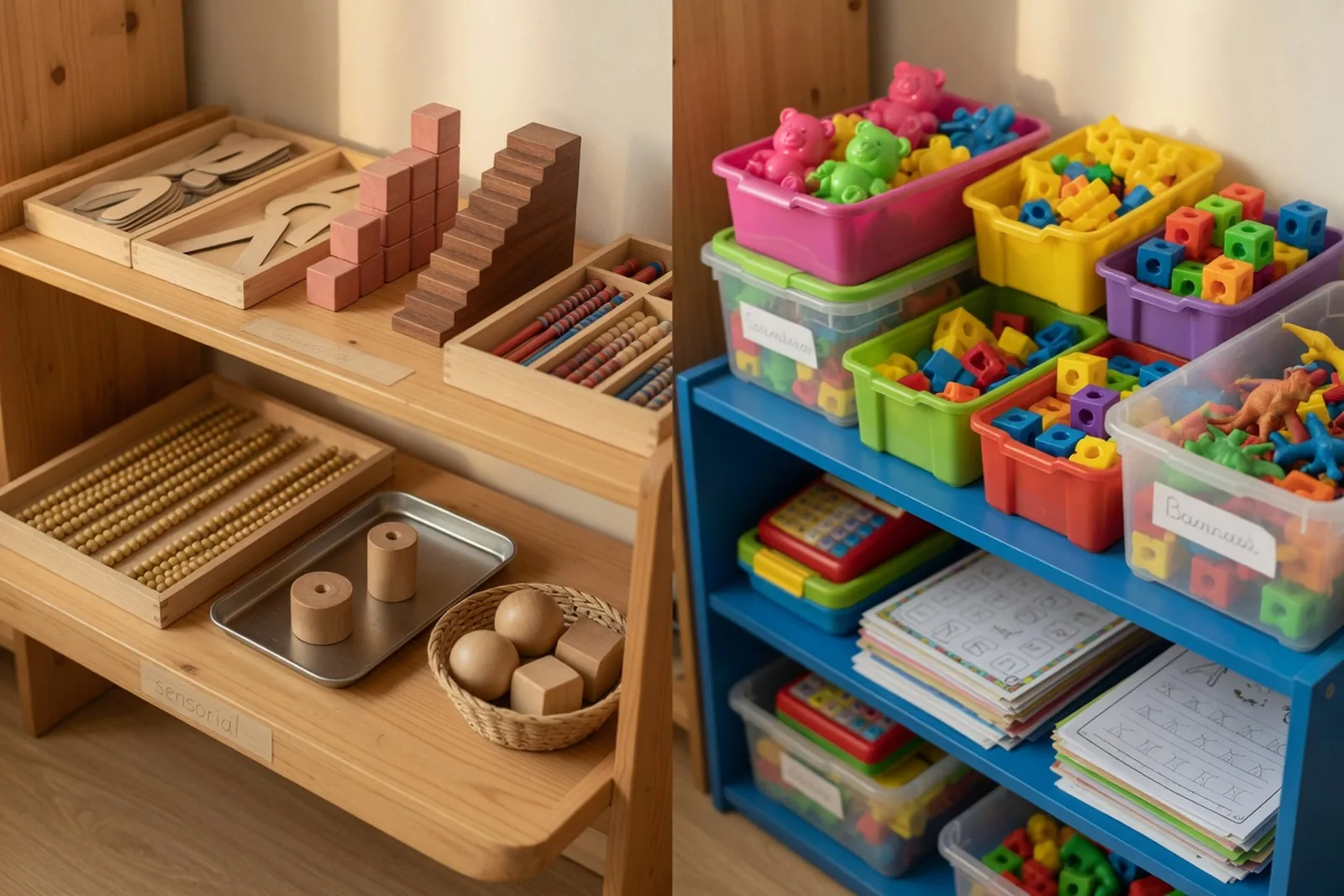
Montessori vs. Traditional Preschool: An Honest Comparison
Compare Montessori and traditional preschool in Chantilly, from classroom routines to adult roles, so you can choose a setting that fits your child.
Read the guide
What Age Should My Child Start Montessori?
Wondering when to start Montessori? Learn how toddler and preschool entry differ, what readiness looks like, and options in Chantilly.
Read the guideFrom reading to observing
Bring the questions the guide raised.
Request a Wednesday morning visit, bring your questions, and watch how children use the environment when nobody is performing for the tour.