The method
Choice with purpose. Freedom with limits.
Montessori is not a room full of wooden materials or a child doing whatever they want. It is a coherent method built on preparation, observation, precise lessons, and growing responsibility.
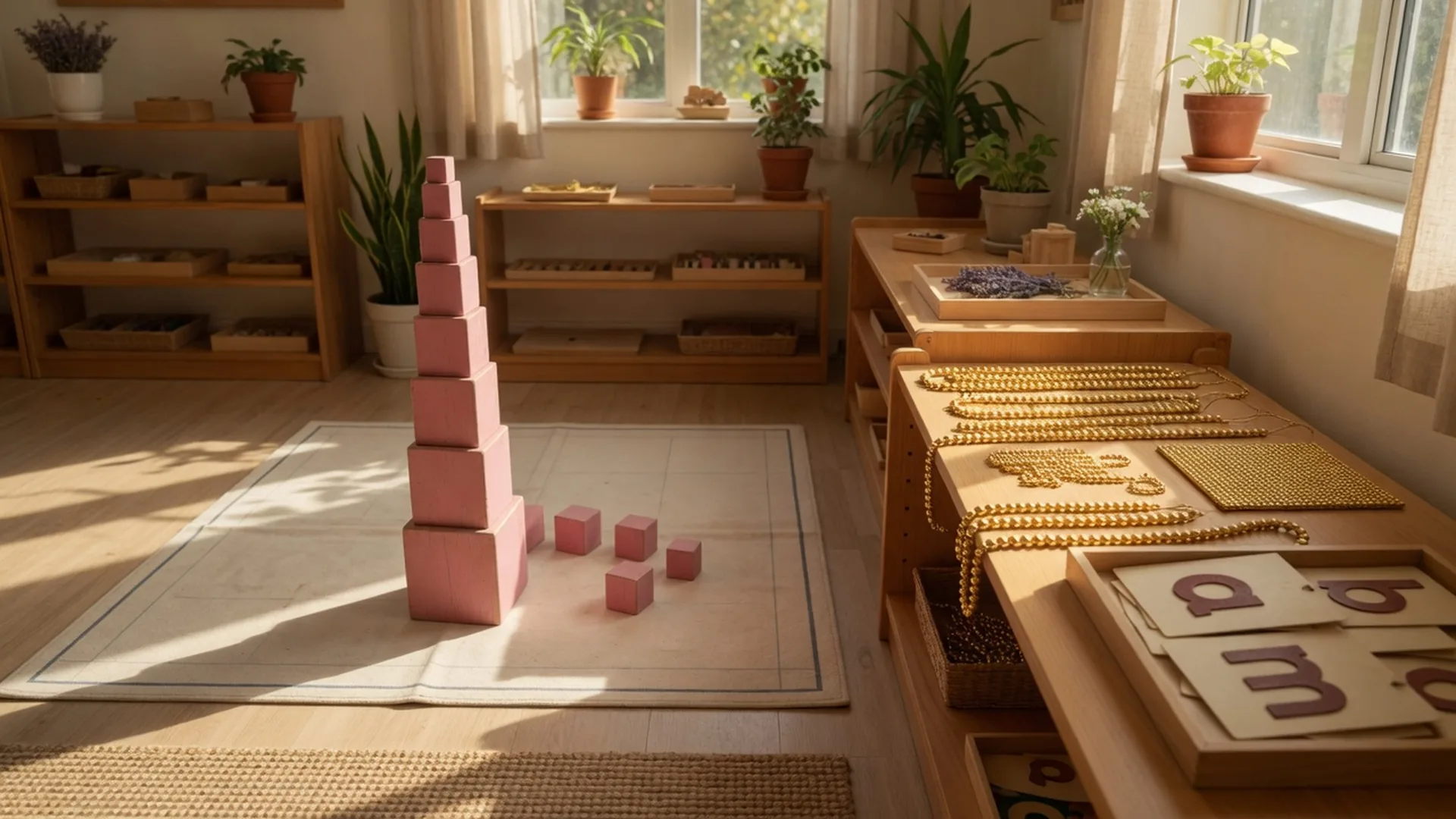
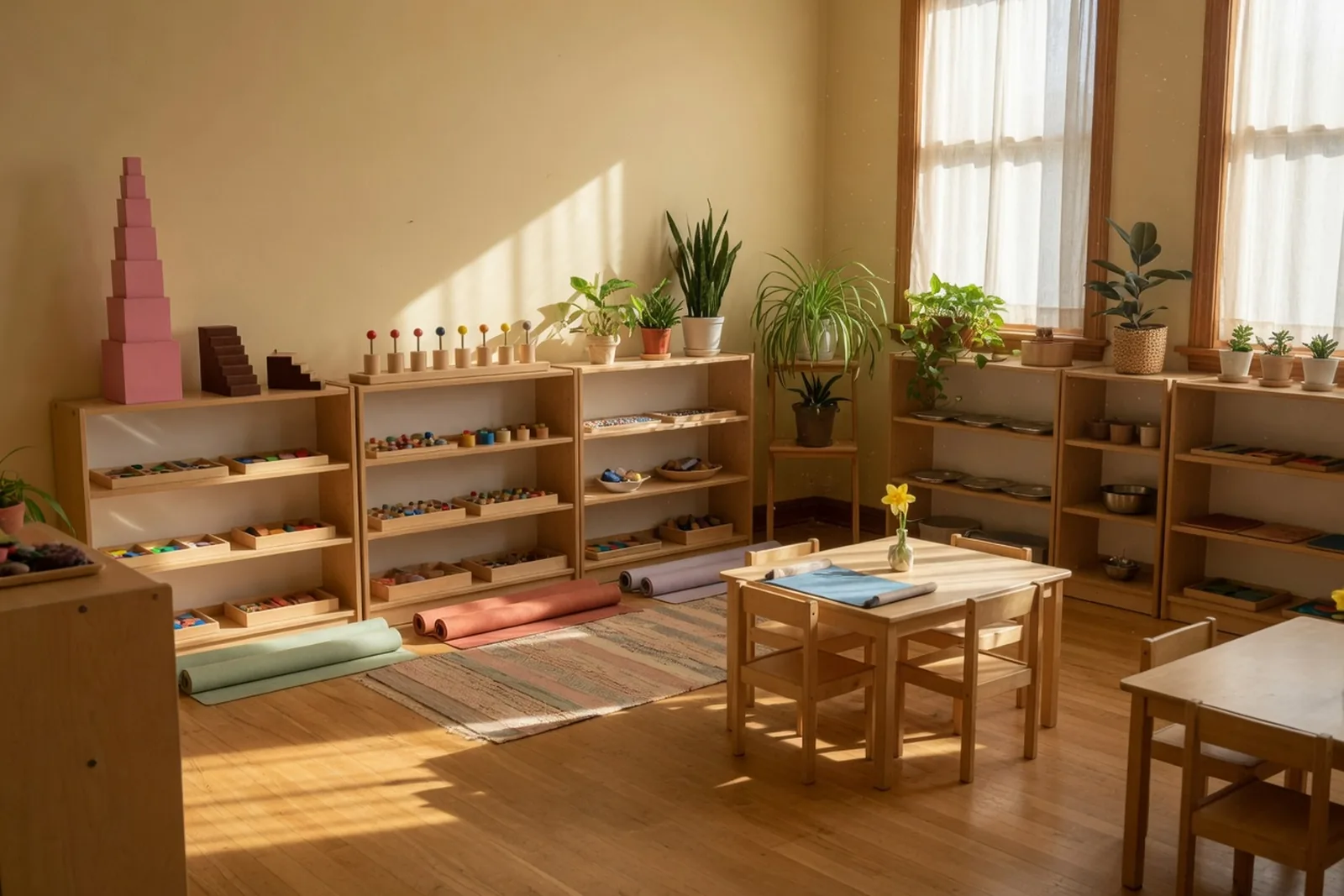
The prepared environment
The room removes unnecessary waiting.
Shelves are low. Materials have one clear place. Tables, pitchers, tools, and cleaning supplies fit the child using them. The environment is arranged so a child can begin, continue, and restore useful work without asking an adult to manage every step.
Order is not the goal by itself. It gives children enough independence to notice what they can already do and enough clarity to recognize the next challenge.
Freedom within limits
Choice lives inside a carefully maintained structure.
Children choose among lessons they have received. They may repeat work, move their bodies, collaborate when the work calls for it, and ask for a new presentation. They may not misuse materials, interrupt another child’s concentration, or leave the room unrestored.
Freedom grows with responsibility. The child does more because the environment makes more possible, not because the adults have disappeared.
- Purposeful choices
- Clear social expectations
- Long, uninterrupted work periods
- Increasing responsibility by age
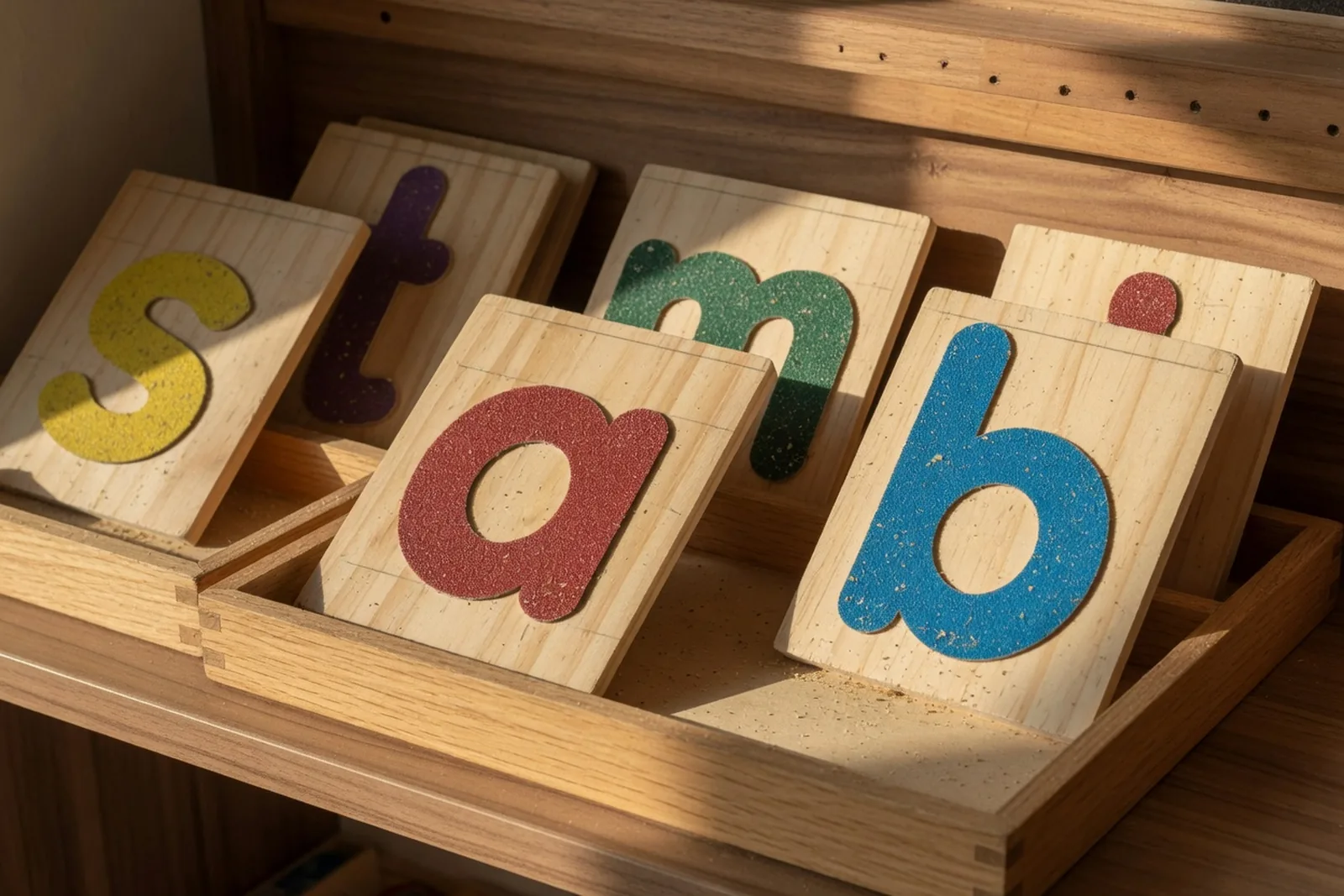
The adult
The guide teaches precisely, then observes closely.
A Montessori guide prepares the room, presents lessons, keeps records, watches patterns, and decides what to offer next. The difference is not less teaching. It is teaching timed to readiness rather than delivered to every child at the same minute.
Observation lets the guide distinguish between work that is too easy, work that needs one smaller step, and a child who needs time before the next lesson.
See it in the room
Visit during the work cycle.
Request a Wednesday morning visit, bring your questions, and watch how children use the environment when nobody is performing for the tour.